
For many patients considering plastic surgery in Dubai, one of the most common concerns is not the procedure itself, but the anaesthesia.
Questions such as “Is general anaesthesia safe?” or “What actually happens when I’m put to sleep?” are entirely natural. The reality is that modern anaesthesia is one of the most advanced and extensively studied areas of medicine, with a safety profile that has improved dramatically over the past decades.
Understanding how it works (and what the real risks are) is key to making a confident and informed decision.
A Brief History: How Established Is General Anaesthesia?
General anaesthesia has been used in medicine for over 175 years, with its first successful demonstrations dating back to the mid-19th century.
Since then, it has evolved from a relatively crude technique into a highly controlled, precision-driven medical practice. Today, anaesthesia is delivered using:
- advanced monitoring systems
- carefully titrated medications
- highly trained anaesthesiologists
Large-scale studies and global data consistently show that modern anaesthesia, when performed in appropriate settings, is extremely safe. In fact, in developed healthcare systems, the risk of serious complications directly related to anaesthesia is estimated to be less than 1 in 100,000.
What Happens During General Anaesthesia?
General anaesthesia is not simply “being put to sleep.” It is a carefully controlled medical state that involves three main components:
- Unconsciousness (you are fully asleep)
- Analgesia (you do not feel pain)
- Muscle relaxation (allowing surgery to be performed safely)
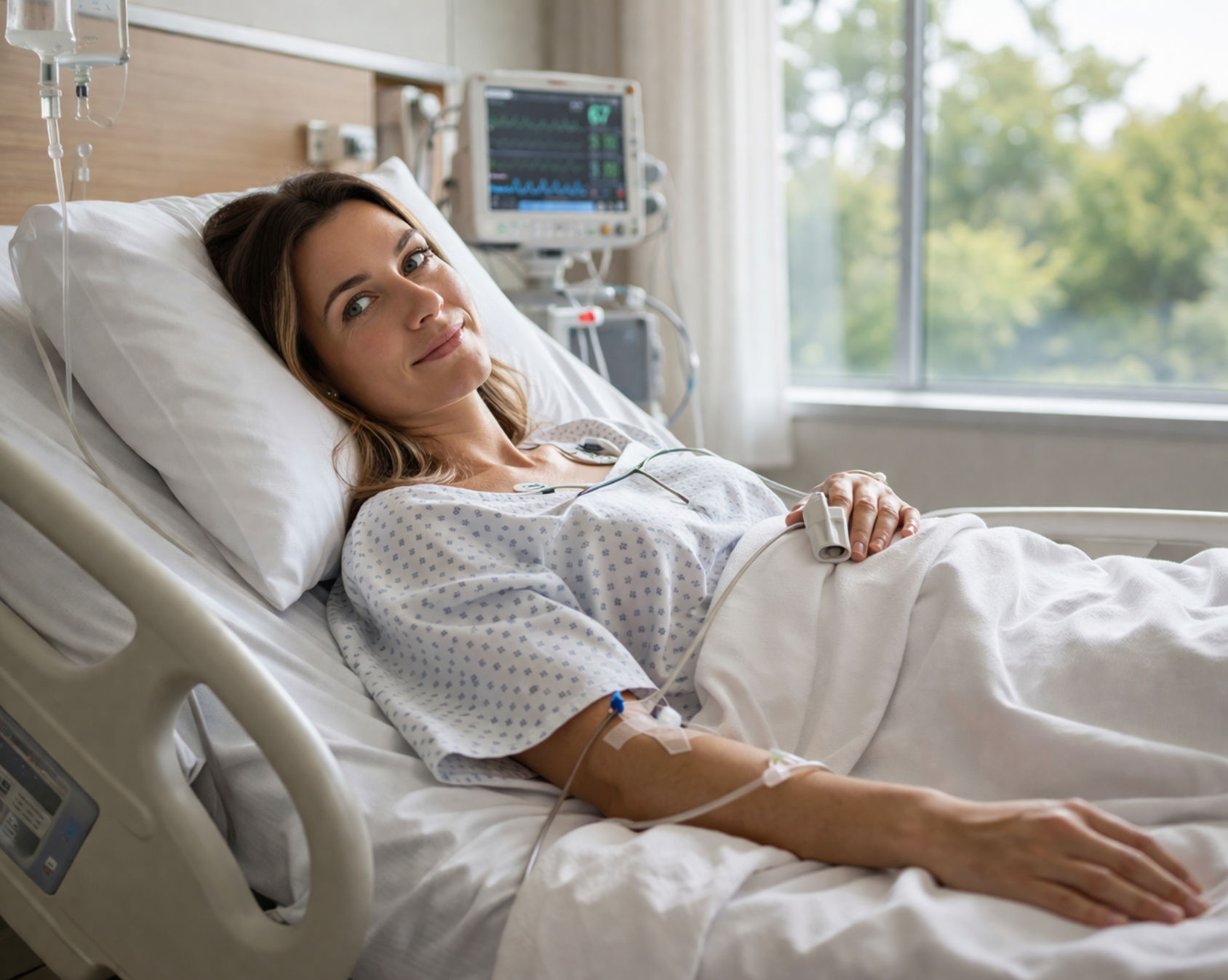
This is achieved using a combination of intravenous medications and inhaled anaesthetic agents. Once administered, these medications act on the brain and central nervous system to temporarily suppress awareness and reflexes. Throughout the procedure, your vital functions are continuously monitored, including:
- heart rate
- blood pressure
- oxygen levels
- breathing
A specialist anaesthesiologist is present at all times, adjusting the level of anaesthesia in real time to ensure both safety and stability.
Why Is General Anaesthesia Used in Plastic Surgery?
In aesthetic procedures, general anaesthesia is often chosen not out of necessity alone, but because it offers significant advantages for both the patient and the surgeon.
From the patient’s perspective, it provides complete comfort. You are not aware of the procedure, there is no pain, and no psychological stress during surgery.
From a surgical standpoint, it allows for:
- precision and control
- a completely still operating field
- the ability to perform more complex or combined procedures safely
This is particularly important in surgeries such as:
- abdominoplasty (tummy tuck)
- breast surgery
- body contouring procedures
In these cases, general anaesthesia contributes directly to both safety and quality of outcome.
What Are the Real Risks? (And How Common Are They?)
One of the most important aspects of this discussion is distinguishing between real risks and perceived risks.
All medical procedures carry some level of risk. However, with modern anaesthesia, serious complications are extremely rare.
Based on large clinical datasets:
- Serious anaesthesia-related complications: <1 in 100,000
- Temporary drop in blood pressure or heart rate: uncommon, typically
- managed immediately
- Allergic reactions: rare, and usually mild
More common (and generally mild) effects include:
- nausea and vomiting (around 10–30% of patients, depending on individual
- risk factors)
- drowsiness or fatigue for 24–48 hours
- dry mouth or sore throat (from airway support devices)
These effects are usually short-lived and well managed with modern protocols.
What Is Often Misunderstood
There are several persistent myths surrounding general anaesthesia. One common fear is that patients may “not wake up.” In reality, with modern monitoring and trained anaesthetic teams, this is exceptionally rare and typically associated with severe underlying medical conditions — not routine elective procedures in healthy patients.
Another misconception is that anaesthesia is inherently dangerous. The truth is that in a well-equipped hospital environment like Mediclinic Parkview Hospital, with a qualified anaesthesiologist and appropriate patient selection, anaesthesia is considered very safe.
The key variables are not just the drugs — but:
- the expertise of the medical team
- the safety protocols in place
- the standard of the facility
Why the Choice of Surgeon and Facility Matters
Safety in plastic surgery is never dependent on a single factor.
It is the combination of:
- an experienced surgeon
- a qualified anaesthesia team
- a fully equipped hospital
…that creates a controlled and safe environment.
This is particularly relevant in Dubai, where patients have access to high-standard medical facilities and internationally trained specialists.
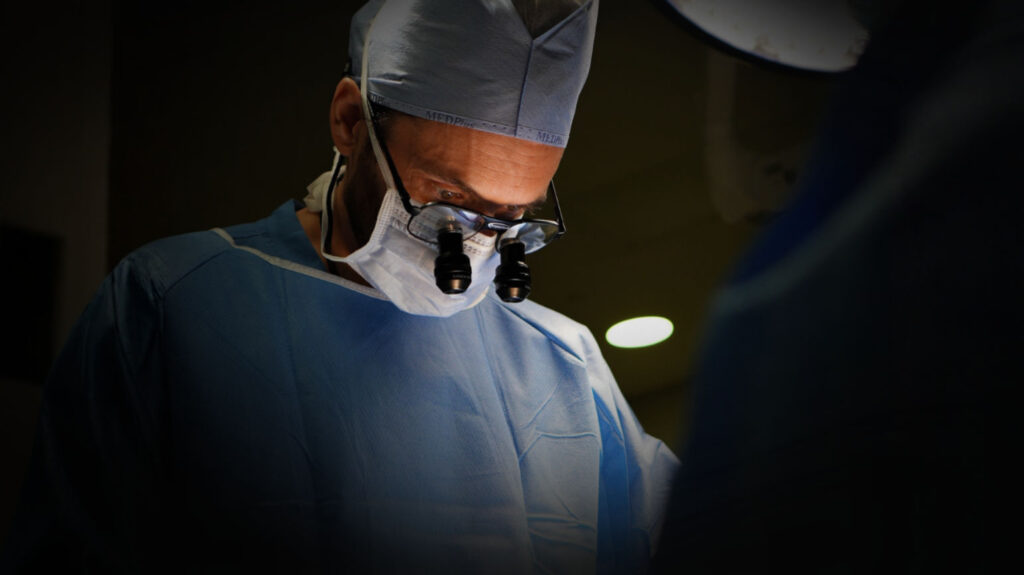
In clinical practice, surgeons such as Dr Charles Bain — with extensive, internationally recognised training and a strong foundation in both reconstructive and aesthetic surgery, place significant emphasis on this multidisciplinary approach. His level of training allows for a deeper understanding of anatomy, surgical planning, and risk management, which are essential to delivering consistently safe and predictable outcomes.
Choosing the right team significantly reduces risk and ensures that every aspect of your care is managed to the highest standard.
Final Thoughts
General anaesthesia is one of the most refined and well-researched tools in modern medicine. While no procedure is entirely without risk, the reality is that, in the right hands and the right setting, it is remarkably safe.
For patients considering plastic surgery in Dubai, understanding this helps shift the focus away from fear — and towards informed decision-making.
Anaesthesia is not something to be feared, but something to be managed professionally, precisely, and safely.
Considering Plastic Surgery in Dubai?
If you have concerns about anaesthesia or any aspect of your procedure, these should always be addressed openly and clearly. Dr Charles is always available to guide you through every step of the process, ensuring that you feel informed, comfortable, and confident in your decision.
Send us a WhatsApp to discuss your questions +971 56 970 3561.