
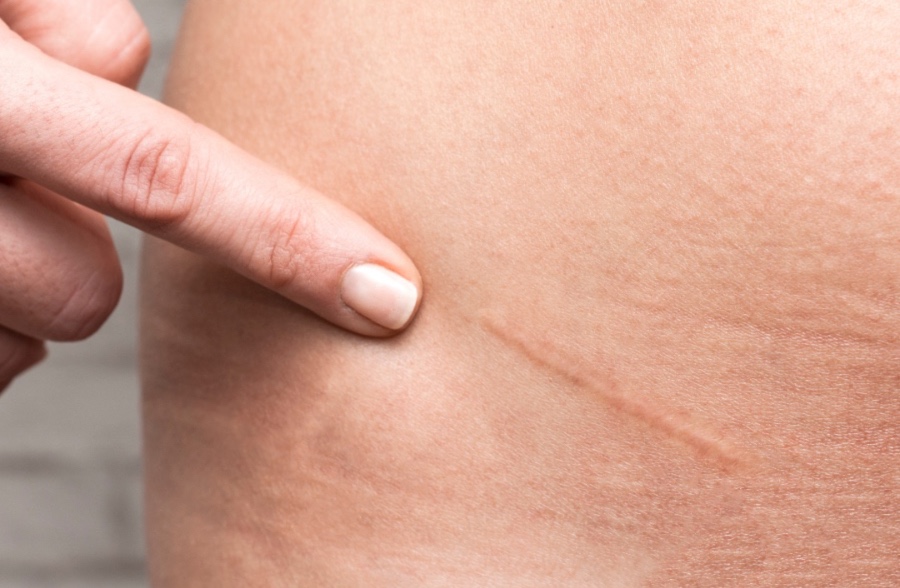
One of the most common concerns patients have before undergoing cosmetic surgery is scarring.
The good news is that the vast majority of patients — approximately 90–95% — will achieve an excellent scar outcome with minimal intervention. The human body is biologically programmed to heal.
However, if you want to optimise your results and actively support the scar maturation process, there are simple, evidence-based steps you can follow.
This guide outlines Dr Charles’ philosophy on post-operative scar management, particularly relevant for patients undergoing procedures such as tummy tuck, breast surgery, liposuction, facelifts, and body contouring in Dubai.
Understanding How Scars Mature
Scars do not “finish healing” when stitches are removed.
Scar maturation is a biological process that takes 12 to 18 months. During this time, collagen fibres reorganise, inflammation settles, and the scar gradually softens and fades.
The goal of scar care is to:
- Support healthy collagen remodelling
- Minimise excessive thickening or widening
- Prevent hyperpigmentation (darkening of the scar)
- Encourage a flatter, softer appearance
Step 1: Scar Massage
Massage is one of the most effective and evidence-supported interventions in scar management. Much of the data comes from burn research, where problematic scarring is common.
Scar massage helps:
- Realign collagen fibres
- Improve tissue flexibility
- Reduce stiffness
- Support normal scar maturation
How to massage your scar properly:
- Frequency: 2–3 times per day (minimum)
- Duration: 1–2 minutes per session
- Technique: Firm, circular pressure
Initially, the area may feel tender. This typically improves as the scar matures.
Consistency is far more important than intensity.
Step 2: Moisturising the Scar
Moisture is essential for healthy scar development.
Despite heavy marketing in the cosmetic industry, there is no strong evidence that one “active ingredient” is superior to another. Expensive scar creams rarely outperform simple formulations.
What matters is:
- Regular application
- Maintaining hydration
- Using a product you tolerate well
Dr Charles recommends a simple hypoallergenic aqueous cream, such as:
- Cetaphil
- E45 (commonly used in the UK)
Massage the cream into the scar for 1–2 minutes during your scar massage routine.
Step 3: Silicone Therapy
After moisturising, it is important to maintain hydration against the scar for longer periods.
This is where silicone gels or silicone sheets are beneficial.
Silicone works by:
- Creating a protective barrier
- Retaining moisture
- Reducing transepidermal water loss
- Supporting optimal collagen regulation
Silicone is inert and well-tolerated by most patients.
Best practice:
Ideally, silicone should remain in contact with the scar close to 24 hours per day, removing it only for massage and reapplication.
Step 4: Sun Protection (Critical in Dubai)
For patients living in Dubai, sun protection is especially important.
Scars are highly prone to hyperpigmentation, meaning they can darken more easily than surrounding skin when exposed to UV radiation.
To protect your scar:
- Apply SPF 50+ sunscreen daily
- Reapply if swimming or spending prolonged time outdoors
- Continue protection for at least 12 months
Sun exposure is one of the most common preventable causes of poor scar colour outcome.
The Most Important Factor: Time
No cream, gel, or intervention replaces biology.
Scars take 12–18 months to fully mature. During this period, they typically:
- Flatten
- Soften
- Fade in colour
Patients are strongly advised not to judge the final appearance of a scar before the 12-month mark.
In the overwhelming majority of cases, scars continue improving steadily over time.
When Should You Be Concerned?
While most scars heal beautifully, some may become:
- Raised (hypertrophic scars)
- Thickened
- Painful
- Itchy
- Widened
If you notice early signs of problematic scarring, it is important to consult your surgeon promptly. Early intervention may include:
- Steroid injections
- Laser treatments
- Silicone optimisation
- Scar revision (in rare cases)
Dr Charles’ Philosophy on Scar Outcomes
Good scar outcomes begin in the operating theatre. Surgical technique, tissue handling, tension management, and wound closure are fundamental.
Post-operatively, however, patients play an active role.
By combining:
- Consistent massage
- Regular moisturisation
- Silicone therapy
- Strict sun protection
- Patience
You can maximise your chance of achieving an excellent scar result.
For the vast majority of patients, these simple steps are sufficient to achieve an optimal aesthetic outcome.
Concerned About Your Scar?
If you are unsure whether your scar is healing normally or would like personalised advice on scar management after cosmetic surgery in Dubai, you are welcome to book a consultation.
Professional assessment can provide reassurance — or early intervention if needed.