
Botox has become one of the most requested aesthetic treatments in Dubai, yet one of the most common questions remains surprisingly simple:
How long does Botox actually last?
Most patients are told “around three to four months.” While that is broadly correct, it doesn’t explain why it lasts that long, or why the duration can vary from person to person. Understanding this makes a significant difference, not only in setting expectations, but in achieving better and more consistent results over time.
To begin with, it’s important to understand what Botox actually is.
What is botox?
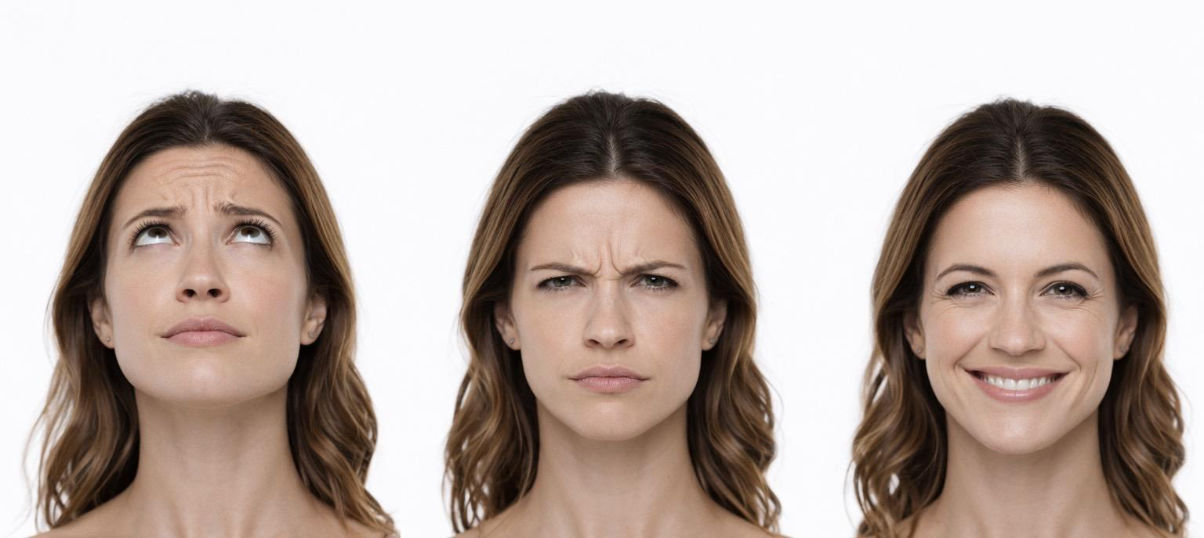
Botox is a purified form of botulinum toxin type A, a protein that temporarily relaxes muscles. It works by blocking the communication between nerves and the targeted muscle. Normally, when you frown, raise your eyebrows, or squint, your brain sends a signal to the facial muscles, causing them to contract. Over time, these repeated contractions create lines in the skin — first dynamic, and eventually permanent.
How botox prevents wrinkles
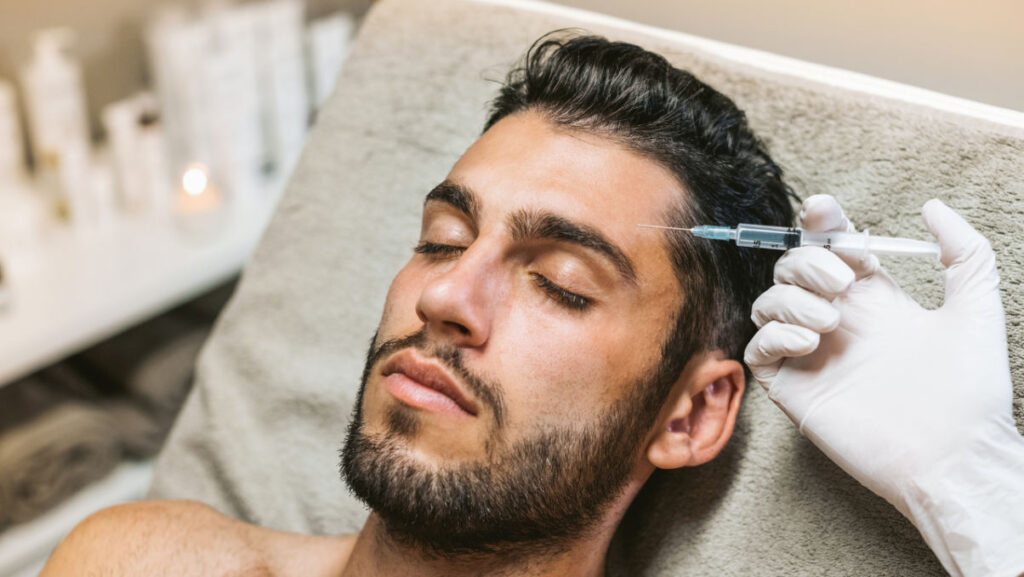
Botox interrupts this process. By reducing muscle activity, it allows the skin to rest. This is why existing lines soften, and why further wrinkle formation can be slowed or even prevented. In fact, one of the most important shifts in aesthetic medicine over the past decade has been the move toward preventative Botox — treating early muscle activity before deep lines fully establish.
Why Botox doesn’t last forever
However, Botox is not permanent — and it is not designed to be. After the injection, the toxin binds to the nerve endings and blocks the release of acetylcholine, the chemical responsible for muscle contraction. But the body is highly adaptive. Over time, it begins to form new nerve connections in a process known as axonal sprouting. As these new pathways develop, muscle activity gradually returns.
This is the biological reason Botox wears off. Clinical studies consistently show that results begin to appear within a few days, reach their peak at around two weeks, and then slowly diminish over approximately three to four months. In some patients, the effect may last slightly longer; in others, it may wear off sooner. This variation is not random — it is influenced by several factors.
What affects how long Botox lasts?
One of the most important is muscle strength. Stronger or more active muscles tend to regain function more quickly. This is why areas like the forehead or around the eyes may sometimes require more frequent treatment, especially in individuals who are highly expressive.
Metabolism also plays a role. Patients with faster metabolic rates may break down the effect more quickly, which can slightly shorten the duration of results. Similarly, lifestyle factors such as high levels of physical activity may indirectly influence how long Botox lasts, although this effect is usually modest.
Technique, however, remains one of the most critical variables. The dose used, the precision of injection, and the understanding of facial anatomy all directly impact both the quality and longevity of the result. Underdosing, for example, may lead to a shorter duration simply because the muscle is not fully relaxed.
There is also an interesting long-term effect seen in patients who undergo regular treatments. Over time, as muscles are repeatedly relaxed, they may become less active. In these cases, some patients notice that their Botox begins to last longer, or that they require lower doses to achieve the same effect.
All of this leads to an important conclusion: while the average duration of Botox is well established, the experience of Botox is highly individual. In clinical practice, careful assessment and tailored treatment planning — as routinely emphasised by surgeons like Dr Charles Bain — are essential to achieving consistent and natural-looking results.
Another common concern among patients (particularly in a city like Dubai, where many people lead active lifestyles) is what to do after treatment. One of the most debated topics is exercise.
Can you exercise after Botox?
There are many theories about whether exercising after Botox affects the result. While definitive large-scale studies are limited, there is a reasonable physiological basis for some caution in the immediate post-treatment period. Increased blood flow, which occurs during intense exercise, may theoretically influence how the product distributes in the tissue. Similarly, applying pressure or massaging the treated areas could increase the risk of the toxin affecting adjacent muscles that were not intended to be treated.
For this reason, a balanced and practical approach is recommended. For the first 24 hours after treatment, it is advisable to avoid intense exercise, heavy sweating, and direct pressure on the treated areas. This is not about strict restriction, but about allowing the Botox to settle precisely where it was placed. After this initial period, normal activities (including exercise) can be safely resumed.
Ultimately, Botox is a temporary treatment, but that is precisely what makes it effective and adaptable. It allows for ongoing refinement, subtle adjustments, and results that can evolve naturally over time.
For patients considering Botox in Dubai, the key is not just understanding how long it lasts,but understanding what influences that duration — and how to optimise it. Because in aesthetic medicine, longevity is not only about time. It is about technique, precision, and informed decision-making.
Not sure if Botox is right for you?
We’re here to answer your questions and guide you with honesty. Send us a WhatsApp +971 56 970 3561 to book an appointment with Dr. Charles Bain.